
"Arabian coffee trees"
1000 article(s) found

Coffee Culture Story how Coffee was introduced into Arabia
European historians argue that as early as 800 years ago, there were artificial coffee trees for trade in Yemen in the southern Arabian Peninsula, and there was historical evidence that at that time, there was indeed trade across the Red Sea between Yemen and Ethiopia. Based on this, people speculate that if the use of coffee was discovered by Ethiopians, then coffee

Coffee Common sense how did coffee come into Arabia?
European historians argue that as early as 800 years ago, there were artificial coffee trees for trade in Yemen in the southern Arabian Peninsula, and there was historical evidence that at that time, there was indeed trade across the Red Sea between Yemen and Ethiopia. Based on this, people speculate that if the use of coffee was discovered by Ethiopians, then coffee

Cultivation of Coffee and Cultural Coffee trees
Coffee cultivation now, in the belt between the Tropic of Cancer and the Tropic of Cancer, coffee is widely grown. Coffee grown in different regions has different flavors. The unique soil, climatic conditions and planting methods of a country make the coffee produced in that country have a unique flavor. French winemakers call this phenomenon regional style. Geographically, a global coffee growing area

The spread and Development of Coffee History
The spread and development of coffee European historians argue that there were artificially grown coffee trees for trade in Yemen in the southern Arabian Peninsula as early as 800 years ago, and there is also historical evidence that at that time, there was indeed trade across the Red Sea between Yemen and Ethiopia. Based on this, it is speculated that if the use of coffee is made by Ethiopians

How was coffee introduced into Arabia? Arab Coffee Culture
How was coffee introduced into Arabia? European historians argue that as early as 800 years ago, there were artificial coffee trees for trade in Yemen in the southern Arabian Peninsula, and there was historical evidence that at that time, there was indeed trade across the Red Sea between Yemen and Ethiopia. Based on this, it is speculated that if the use of coffee is made by Ethiopia

How did coffee, the foundation of coffee culture, be introduced into Arabia?
European historians argue that as early as 800 years ago, there were artificial coffee trees for trade in Yemen in the southern Arabian Peninsula, and there was historical evidence that at that time, there was indeed trade across the Red Sea between Yemen and Ethiopia. Based on this, people speculate that if the use of coffee was discovered by Ethiopians, then coffee

The way coffee is grown. A conscientious coffee tree.
Coffee cultivation is now widely grown in the ribbon between the Tropic of Cancer and the Tropic of Cancer. Coffee grown in different regions has different flavors. The unique soil, climatic conditions and planting methods of a country make the coffee produced in that country have a unique flavor. French winemakers call this phenomenon regional style. Geographically, global coffee

European Coffee History Coffee Culture how did Turkish Coffee Coffee come into Arabia?
European historians argue that as early as 800 years ago, there were artificial coffee trees for trade in Yemen in the southern Arabian Peninsula, and there was historical evidence that at that time, there was indeed trade across the Red Sea between Yemen and Ethiopia. Based on this, people speculate that if the use of coffee was discovered by Ethiopians, then coffee

The origin of the word "coffee" in the basic knowledge of coffee
Coffee (scientific name: Coffea arabica), also known as coffee tree, Arabica coffee, etc., is the national flower of Yemen. Before the 6th century AD, Yemen was called Arabian, so the coffee trees shipped from them to other places were also called Arabian coffee trees. The name coffee comes from the Arabic Qahwah, which means plant drink. Later, the coffee spread all over the world, and it was picked.

Characteristics of Yunnan small seed Coffee also known as Arabian species
[scientific name] the small seed is Coffea arabica L., the medium seed is Coffea canephora, and the large seed is Coffea liberica family: Rubiaceae Coffee is also called Arabian species, medium grain species is also called Gaffra species, and large grain species are also called Liberian species, there are two common species: Arabica and Robusta. Coffee is rich in protein and fat.

The way coffee is grown.
Coffee cultivation is now widely grown in the ribbon between the Tropic of Cancer and the Tropic of Cancer. Coffee grown in different regions has different flavors. The unique soil, climatic conditions and planting methods of a country make the coffee produced in that country have a unique flavor. French winemakers call this phenomenon regional style. Geographically, global coffee

The coffee grown in different regions has different flavors.
Coffee grown in different regions has different flavors. The unique soil, climatic conditions and planting methods of a country make the coffee produced in that country have a unique flavor. Coffee cultivation is now widely grown in the ribbon between the Tropic of Cancer and the Tropic of Cancer. Coffee grown in different regions has different flavors, a country's unique soil and climate strips.

Arabica coffee at the highest altitude Ecuador boutique coffee beans
For the exchange of professional baristas, please follow the coffee workshop (Wechat official account cafe_style) Ecuador may be the highest Arabian coffee grower in the world. The Arabian Coffee Tree was first introduced to Ecuador (Ecuador) in 1952 and its coffee is of good quality, especially the coffee harvested in early June. Ecuadorian coffee beans can be divided into Galapagos and Segan.

Basic knowledge of fine coffee knowledge of small-grain coffee
Coffee (scientific name: Coffea arabica), also known as coffee tree, Arabica coffee, etc., is the national flower of Yemen. Before the 6th century in the park, Yemen was called Arab, so the coffee trees transported from them to other places were also called Arabian coffee trees. The name coffee comes from the Arabic Qahwah, which means plant drink. Later, the coffee spread all over the world, and it was picked.
The Origin of Coffee name and the introduction of long History and Culture Coffee must be seen by beginners
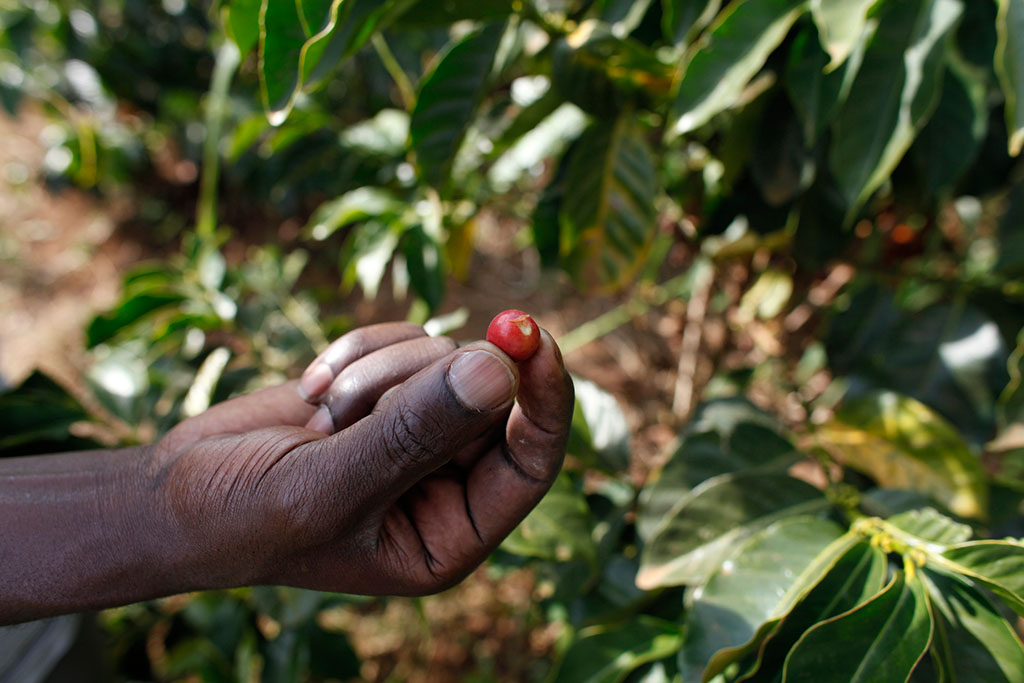
The origin of the name of coffee begins with Ethiopian legend in the 5th century AD, when the sheep of the shepherd boy Kadi was so excited after eating a strange kind of red fruit that Kadi and his companions could not help but give it a try. I feel refreshed and tired out. This kind of red fruit has since become a part of the local food culture, and this red fruit is coffee.

The cultivated varieties of Coffee Tree: small seed and large seed
3. Cultivated varieties (1) small seed species (2) large grain species Coffea belongs to Rubiaceae, Coffea belongs to perennial evergreen shrubs or small trees, there are about 90 species. At present, there are small seed species (Arabian species), medium grain species (Gaffra species) and large grain species (Liberian species) cultivated in Hainan. (1) small seed species: also known as Arabian species, native to Ethiopia, evergreen shrubs. The plant is small, 4cm high and 5m high

Ethiopian coffee introduces the world's best Arabian coffee shepherds found
Ethiopia is one of the major producers of Arabica coffee in Africa, producing the best Arabian coffee in the world. It is said that coffee was first discovered by shepherds in Essekafa, and the name of coffee evolved from Kafa, so Essex is still the hometown of coffee. The geographical environment of coffee production and processing is very suitable for coffee growth. Coffee is mainly cultivated.

Introduction to the method of describing the Flavor of Robusta and Arabian Coffee beans
The distinguishing price characteristics of robusta and Arabian coffee beans the flavor description treatment method introduces the area where Elaraby grows at an altitude of 600-2200m, a temperature of 150024C and an annual rainfall of 1200mm-2200mm. From flowering to fruit ripening for about 7-9 months, its bean shape is long, with a strong and round wet aroma, and the coffee made from Arabica coffee has a strong complex flavor.

Global Coffee producing area in Yemen
Before the 6th century AD, Yemen was called Arabia, so coffee trees shipped from Yemen to other places were also called Arabian coffee trees. But the origin of these trees is Ethiopia. Yemen is the first country in the world to produce coffee on a large scale as a crop. Today, coffee farmers in Yemen still use the same method to produce coffee as they did 500 years ago.

Coffee flavor reflects what coffee should have and how to know the quality of coffee.
Coffee (scientific name: Coffea arabica), also known as coffee tree, Arabica coffee, etc., is the national flower of Yemen. Before the 6th century AD, Yemen was called Arabian, so the coffee trees shipped from them to other places were also called Arabian coffee trees. The name coffee comes from the Arabic Qahwah, which means plant drink. Later, coffee spread all over the world, and